
Many people want to know if a solar-powered generator can power major equipment like refrigerators, air conditioners, and electric stoves. These gadgets need far more electricity than lights or electronics. While solar generators produce clean and silent energy, their performance is dependent on inverter output, battery capacity, and solar input. Not all models can handle big loads. Before connecting major appliances, you should understand the power needs and system constraints. This guide describes which appliances are feasible to run, how to assess generator capacity, and what system size provides consistent performance for demanding home equipment.
What Large Appliances Do You Want to Power?
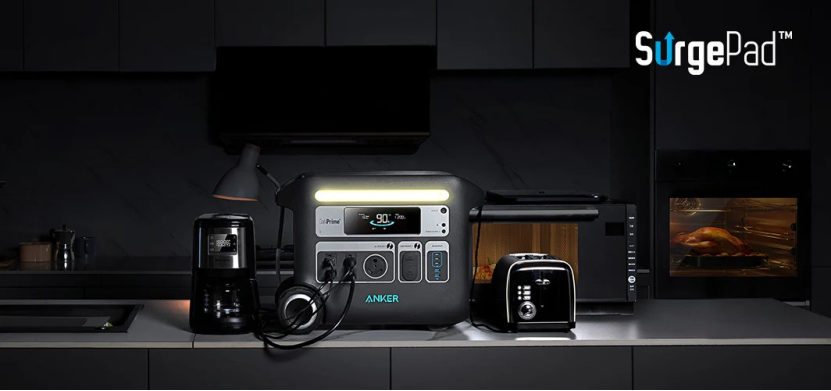
Determine which specific appliances you intend to use first. Depending on their size and level of efficiency, refrigerators usually need between 100 and 800 operating watts. When in use, microwaves frequently use 800–1,500 watts of power. Central air conditioning systems require far higher power than window air conditioners, which can use 1,000 watts or more. Over 3,000 watts can be found in electric water heaters, dryers, and ovens. Every appliance has needs for both starting and operation. You also need to think about how long you plan to use each item. It becomes clearer whether your solar-powered generator can actually sustain them if you give these specifics. You may avoid overload and inflated performance expectations by using accurate appliance data.
Does Your Solar Generator Have Enough Power?
Running Watts vs Surge Watts Explained
Large appliances sometimes require additional electricity to start. Running watts are a measure of the constant energy required during regular operation. Surge watts are the quick bursts necessary at starting, particularly for motors and compressors. When turned on, refrigerators and air conditioners can consume two to three times the amount of power they normally use. If your generator is unable to withstand the surge, it will shut down or trigger its protective mechanisms. Always compare appliance surge requirements with your generator’s surge rating. Matching both numbers enables a smooth start and avoids unexpected disruptions when powering critical equipment during outages.
Inverter Capacity and 120V vs 240V Support
The inverter affects whether your generator can power huge appliances. Many lesser versions only have a 120-volt output, limiting their compatibility with heavy machinery. Appliances like central air conditioners and electric dryers sometimes require 240 volts. To power these devices, use a generator optimised for split-phase output. The continuous inverter capacity must surpass the whole operating load. Surge capacity must also accommodate starting spikes. Check the voltage compatibility before attaching any equipment. Large equipment cannot be operated safely or effectively without sufficient inverter assistance.
Battery Capacity (Wh/kWh) and Runtime Expectations
The battery capacity impacts how long you can run major appliances. Manufacturers measure capacity in watt-hours or kilowatt-hours. For example, to run a 1,000-watt appliance for two hours, you’ll need at least 2 kWh of usable storage. Large appliances deplete batteries fast, particularly when used continually. If you intend to operate for a lengthy period of time, you will require adequate capacity. Always allow for efficiency losses and reserve margins. Oversized storage increases dependability while preventing quick depletion. Realistic runtime expectations help you assess whether your present system fulfils demand or needs to be expanded.
What System Size Do You Need for Large Appliances?
Choosing the Right Generator Size and Expandable Batteries
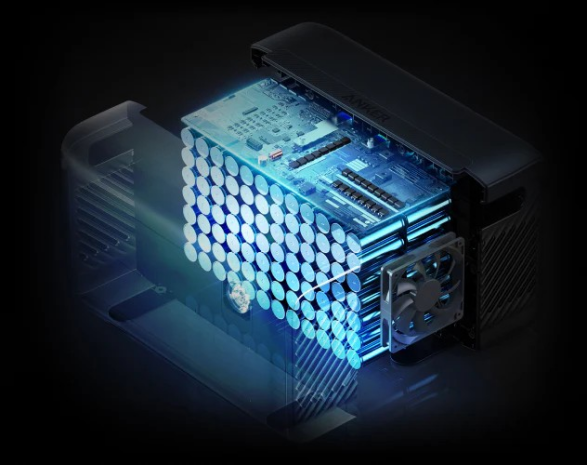
To power large appliances reliably, select solar generators portable models with strong inverter output and high battery capacity. Portable solar generators rated above 2,000 watts are frequently sufficient for modest loads such as refrigerators and microwaves. For heavier appliances, consider solar generators portable systems capable of 240-volt output and higher surge ratings. Expandable battery modules provide more runtime without changing the complete system. This adaptability allows you to increase capacity as demand grows. Instead of focusing just on individual watts, evaluate aggregate appliance loads. Proper size promotes steady functioning while reducing stress on interior components. Choosing expandable choices ensures long-term adaptation to increased energy demands.
Calculating Solar Panel Input for Continuous Use
If you want to use major appliances on a regular basis, solar input must meet energy demand. Calculate your daily energy demand in kilowatt-hours and divide it by the average peak solar hours in your area. For example, if you use 5 kWh per day and get five sun hours, you’ll need about 1 kW of solar panels. Increase capacity to compensate for gloomy conditions and efficiency losses. Insufficient panel input causes delayed charging and limited runtime. A correctly sized array quickly replaces battery storage and allows for continued usage of high-demand appliances during lengthy outages.
Solar Generator vs Whole-Home Backup Systems
Solar generators provide mobility and clean energy, but they may not be suitable for heavy-duty applications. Whole-house backup generators fuelled by natural gas or propane deliver better continuous output and longer runtime without requiring sunshine. However, they require gasoline and competent installation. Solar systems work silently and require little maintenance. Your option is determined by your budget, energy goals, and load capacity requirements. Solar generators are ideal for infrequent usage and certain appliances. For full-house coverage with multiple high-demand appliances, traditional standby systems may offer stronger performance.
Conclusion
Solar-powered generators can power certain major appliances, but success is contingent on adequate size and realistic expectations. Before attaching heavy machinery, consider the running wattage, surge needs, inverter capacity, and battery storage. Larger systems with extensible batteries and a high solar input increase dependability. While solar generators produce clean and quiet electricity, they may not be able to substitute whole-house standby systems for continuous high-demand operation. When it comes to powering large appliances, careful preparation ensures that they operate safely and efficiently.