
Solar panels open the door to a different way of living with electricity. They allow households to rethink control, timing, and flexibility in their daily routines. Instead of relying only on the grid, families can generate part of their own power, support backup solutions, and even take solar capabilities beyond the house. Portable units such as the Anker SOLIX PS400 Portable Solar Panel help homeowners understand this shift by showing how sunlight can be turned into usable energy anywhere. As more homes adopt solar, people gain access to new habits, new options, and new ways to manage energy with confidence and independence.
How Solar Panels Transform Daily Living and Everyday Energy Decisions?
More Control Over When and How Energy Is Used
Solar panels give homeowners far more influence over usage patterns, allowing them to shape daily consumption instead of reacting to grid conditions. When sunlight fuels a significant share of power needs, households adjust high-demand activities—laundry, dishwashing, water heating—to periods when production is strongest. This is not a burden but an opportunity: aligning tasks with solar output reduces bills and enhances efficiency. Portable solutions strengthen this control. The Anker SOLIX PS400, with its 400W output and up-to-23% conversion efficiency, lets users charge power stations rapidly during peak sun. This portability makes energy timing more flexible, helping homeowners bring solar benefits into activities outside the home as well.
New Flexibility for Off-Grid or Semi-Independent Living
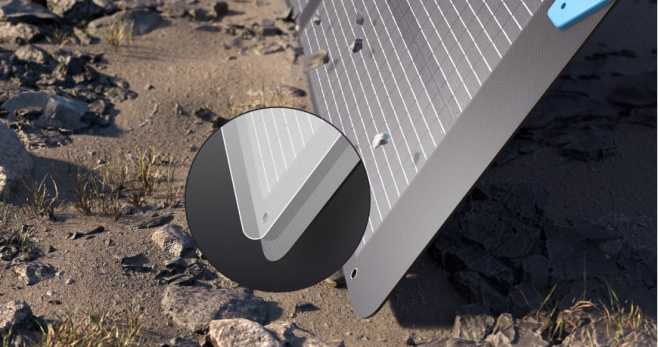
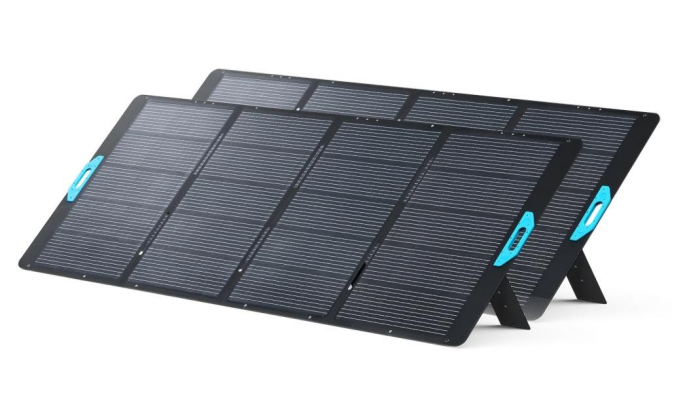
Another possibility solar panels unlock is a shift toward partial or full off-grid capability. Households no longer depend entirely on utility infrastructure for consistent power, which is especially valuable during outages or remote living situations. Panels mounted on the roof provide long-term stability, but portable panels introduce mobility into the equation. The PS400 panel illustrates this by allowing users to reposition it at four different angles—30°, 40°, 50°, and 80°—to capture the best available light regardless of season or time of day. With an IP67 waterproof rating, the panel supports campsite use, outdoor work, and emergency power collection. These options expand energy independence far beyond the house itself.
A New Approach to Energy-Dependent Activities
Solar panels create a practical incentive to rethink how tasks relate to sunlight. For example, charging devices, running tools, or powering appliances can be scheduled more strategically once households recognize their own production patterns. Families often start monitoring cloud cover, adjusting outdoor tasks, or planning charging periods with more intentional timing. Portable solar plays a teaching role in this shift. With the PS400, homeowners can observe real-time solar conditions as they charge a power station directly. They begin to understand output changes and energy availability throughout the day, making their energy choices more informed. Over time, this transforms solar from a passive system into an interactive part of daily planning.
How Solar Panels Expand Long-Term Possibilities for Home Energy Management?
Greater Stability in Long-Term Energy Costs
Solar power reduces exposure to fluctuating electricity prices, which creates more predictable long-term budgeting. Homeowners know that part of their consumption will be covered by sunlight regardless of market rates. Over time, this stability supports stronger financial planning and lower energy-related anxiety. Portable solar complements long-term savings by adding adaptability. The Anker SOLIX PS400 offers a consistent power source for outdoor events, travel, or off-grid scenarios, reducing the need to rely on fuel or grid extensions. When families integrate these tools, long-term energy strategies become more resilient, flexible, and cost-effective.
A Broader Backup Strategy Rooted in Renewable Energy
Traditional backup planning typically focuses on fuel-powered generators, but solar panels introduce a renewable and quieter alternative. Homes that pair rooftop systems with batteries gain a sustainable, low-maintenance safety net. The PS400 enhances this setup by providing an additional charging method for portable power stations. During extended outages, repositioning the portable panel throughout the day helps maintain a steady supply of renewable input. Sunlight becomes a dependable partner in emergency planning, making households less vulnerable to fuel shortages or grid failures. This expanded backup ecosystem brings a new level of continuity and reliability to home energy.
Opportunities for Portable, Mobile, and Outdoor Energy Use
Solar panels also open possibilities beyond stationary home use. Families can take solar energy on the road, to the campsite, or to remote areas where outlets are limited. This redefines what “home energy” means by extending power availability to outdoor activities. The PS400, weighing 35.3 lb and folding compactly for transport, becomes a versatile tool for powering workstations, cooking equipment, lighting, and more during outdoor scenarios. With its included MC4 and MC4-to-XT60 cables, the panel connects easily to many portable power stations. This mobility shows homeowners that solar is not confined to rooftops—it is a lifestyle asset they can bring anywhere sunlight reaches. These opportunities would not exist without solar adoption.
Conclusion
Solar panels introduce new possibilities that fundamentally reshape how households think about and use energy. They give families more control over timing, expand off-grid options, and inspire smarter planning based on sunlight availability. Portable solutions such as the Anker SOLIX PS400 Portable Solar Panel strengthen these advantages by making solar power mobile, adjustable, and adaptable to changing conditions. The panel’s four-angle setup, strong conversion efficiency, and waterproof design demonstrate how versatile solar can become in daily life and emergency preparation. As more homeowners embrace renewable energy, panels solar home systems enable broader independence, lower long-term risk, and a more flexible relationship with electricity—transforming both everyday routines and long-term energy resilience.