
As more homeowners look for reliable alternatives to fuel-based generators, battery backup systems are becoming a popular solution for full home power. But choosing the right size battery backup isn’t as simple as picking the biggest option available. The ideal system depends on how much electricity your home uses, which appliances you want to run, and how long you expect outages to last. Understanding these factors helps you select a battery backup that delivers true whole-home coverage without unnecessary cost.
How to Determine the Right Battery Backup Size for Full Home Power?
Sizing a battery backup correctly is essential for performance, comfort, and long-term value. The following considerations will guide you toward the right capacity.
Understand Your Home’s Total Energy Consumption
The first step is estimating how much energy your home uses in a day. This is typically measured in kilowatt-hours (kWh) and can be found on your utility bill. Homes with basic needs may use 10–15 kWh per day, while larger homes with HVAC systems, electric water heaters, or EV chargers can easily exceed 30 kWh daily. Full home power means your battery system must match or support a significant portion of this usage.
Decide Which Appliances You Want to Run
Not every household needs to run everything during an outage. Some homeowners focus on essentials like refrigerators, lighting, internet, and medical devices, while others want full comfort, including air conditioning, laundry, and cooking appliances. The more appliances you include, the larger your battery capacity must be. The whole home battery backup setups often require both high energy storage and strong output to support simultaneous loads.
Battery Capacity Determines Runtime
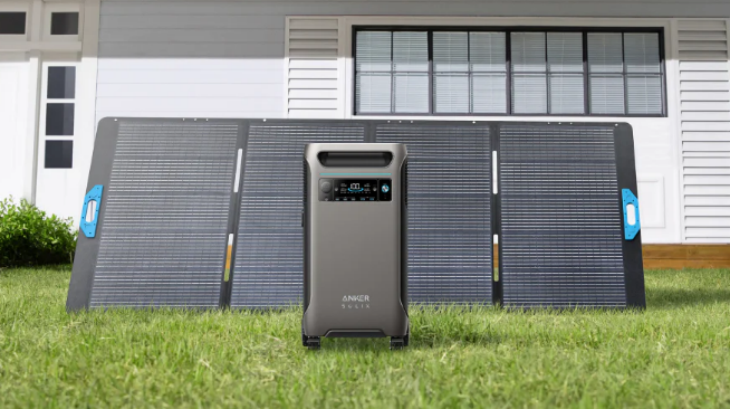
Battery backup size is measured in kWh, and this determines how long your home can stay powered. A smaller 5–10 kWh system may support essentials for several hours, while full home power typically requires 20 kWh or more, depending on usage. Expandable systems are especially valuable, allowing homeowners to start with a base capacity and add batteries over time. Systems like the Anker SOLIX F3800 can scale to tens of kilowatt-hours, making them suitable for extended whole-home backup.

Output Power Matters as Much as Capacity
Capacity determines how long power lasts, but output determines what you can run. Full home power requires sufficient continuous and surge output, often with 120V/240V split-phase capability. This allows the system to run high-demand appliances like HVAC units, well pumps, and electric dryers safely. Choosing a battery backup with adequate output prevents overloads and ensures smooth operation.
Consider Outage Duration and Recharge Options
If outages in your area are typically short, battery capacity alone may be enough. For longer outages, solar recharging becomes critical. Pairing your battery backup with solar panels allows the system to recharge during the day, extending runtime indefinitely for essential loads. High solar input capacity significantly improves resilience during multi-day outages.
Plan for Future Energy Needs
Energy usage often increases over time as households add electric vehicles, home offices, or new appliances. Choosing a scalable battery backup protects your investment by allowing future expansion. Modular designs ensure your system remains capable as your energy demands grow.
Smart Energy Management Improves Efficiency
Modern battery backup systems include app-based monitoring and control. These tools help homeowners track usage, prioritize loads, and avoid unnecessary drain during outages. Efficient energy management can significantly extend runtime, reducing the need for oversized systems.
Conclusion
The right battery backup size for full home power depends on your energy usage, appliance priorities, and outage expectations. Smaller systems may handle essentials, but true whole-home coverage typically requires 20 kWh or more, along with strong output and smart energy control. Expandable solutions like Anker SOLIX battery systems make it easier to tailor capacity to your needs and grow over time. By sizing your battery backup carefully, you can achieve reliable, comfortable full home power with confidence and long-term value.